Architecture Amid the Elements Among the many momentous changes ushered in by the advent of mass printing is the fading memory that libro once referred as much to the bark of a tree as to a book, and that book itself—a cognate of beech—denoted a wooden tablet for carving runes. Nowhere did the book’s estrangement from its own natural history take shape more profoundly than in Early Modern Italy, where hubs of paper-making worked in tandem with a booming printing industry to instigate the historic metamorphosis of librarious matter into ever more abstract systems of communication technologies. Venice eventually became not only a trading crossroad but an epicenter of material alchemy precisely by virtue of its fundamental reinvention of the book’s elemental substrates.
Between Water and Earth To consider Venice a city of elements is simultaneously to evoke a precarious agglomeration of buildings balanced amid the treacherous struggle between earth and water and above the slow transubstantiation of wooden piles into submerged columns of stone. Undergirding architecture, in other words, both materially and epistemologically, is not the ground or a plan but infinitely mutable elemental forces and ever-changing living and non-living systems. Indeed, the printed page stepped into this flux precisely as a stabilizing agent, extracting certain forms of architectural knowledge, relegating others to the perimeter, and demarcating a territory within which the discipline’s limits could be safely inscribed. Architecture has, ever since, regarded its elemental surrounds as primordial formlessness to regulate, harness, or rule out.
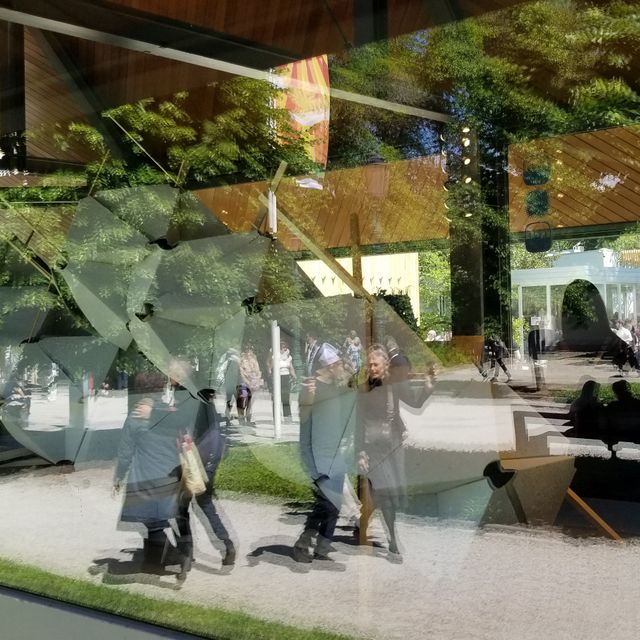
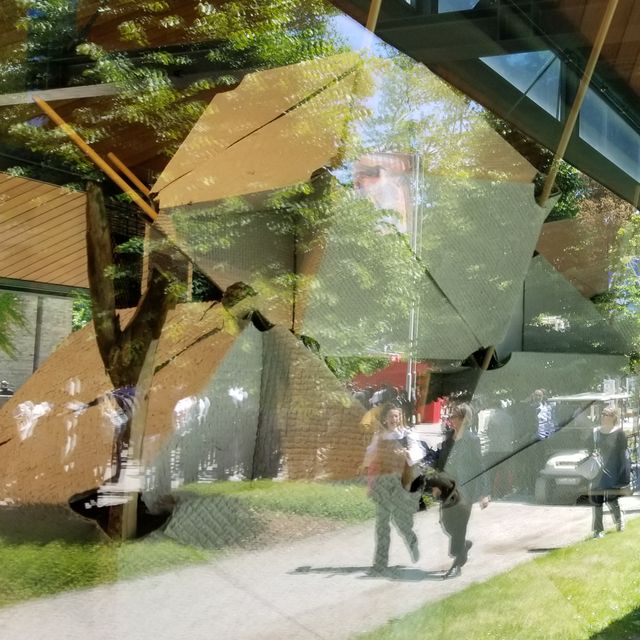
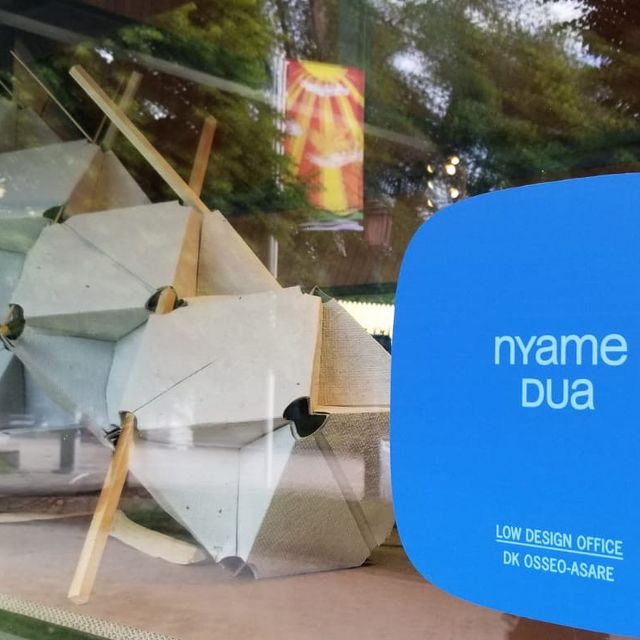
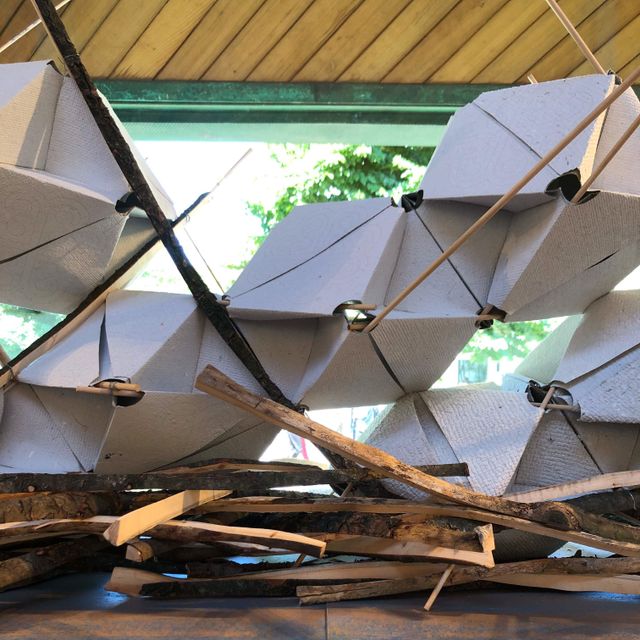
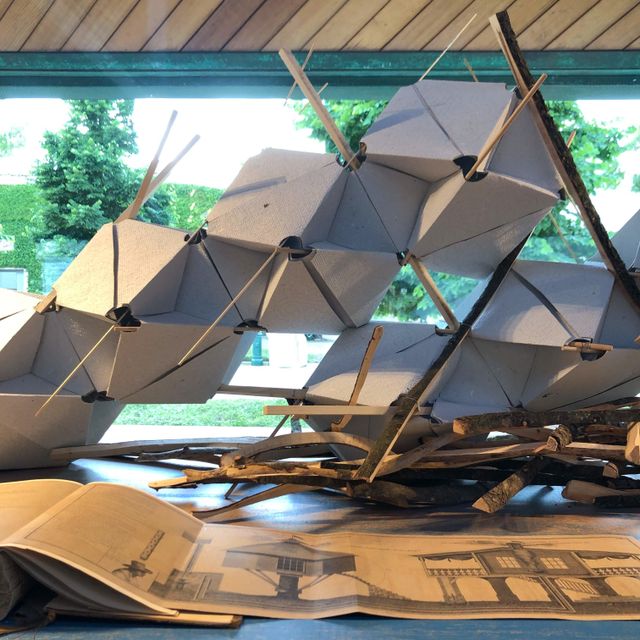
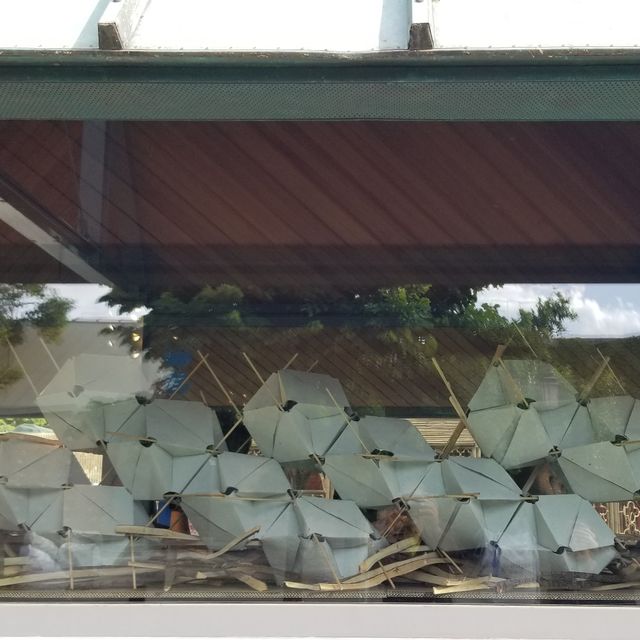
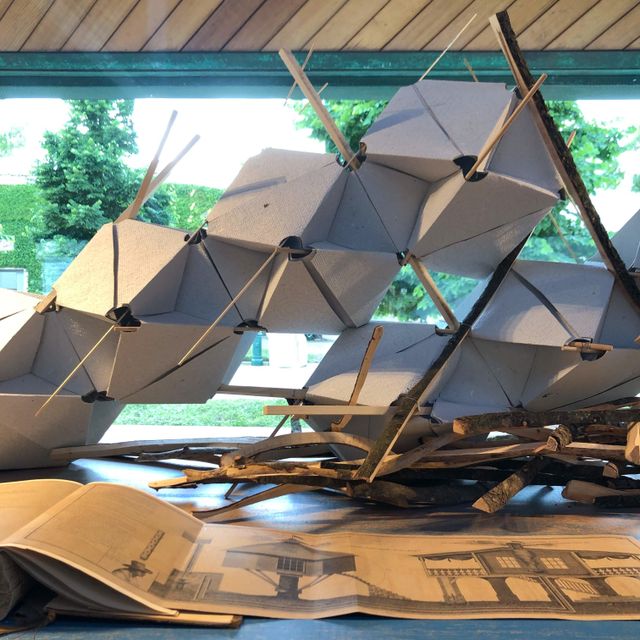
Librarious Encounters Within and around the Padiglione del Libro by James Stirling, these operations of abstraction will function in reverse, redirecting focus towards the material conditions shared by buildings and books, both elementally considered as comprised of ecologies formed of earth, water, air, and fire. Inside the building, a curated library of historical books that investigate elemental circumstances will be presented. Outside, the pavilion’s windows will offer visitors a gallery of models made by a small group of experimental architects animating the material encounters normative modernity has excluded from view. In seeking out the seemingly unforeseen dynamics of the elemental world at architecture’s environmental perimeter, the models uncover intelligences otherwise obscured or left unarticulated among those marginalities that the discipline was invented to exile.
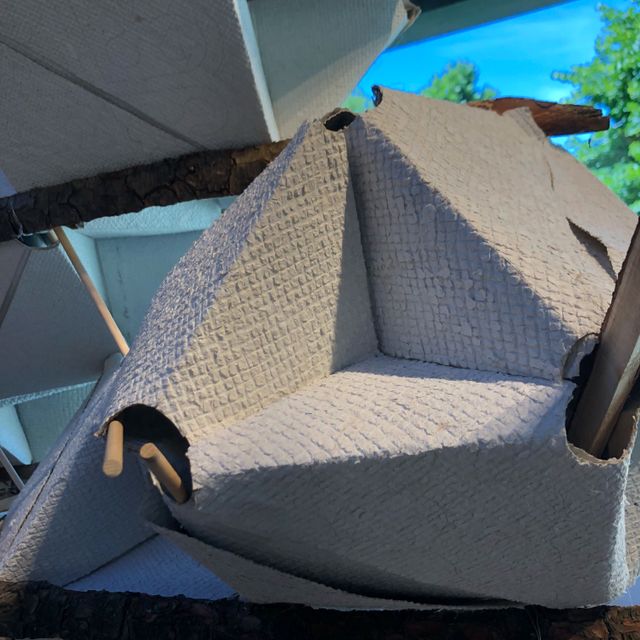
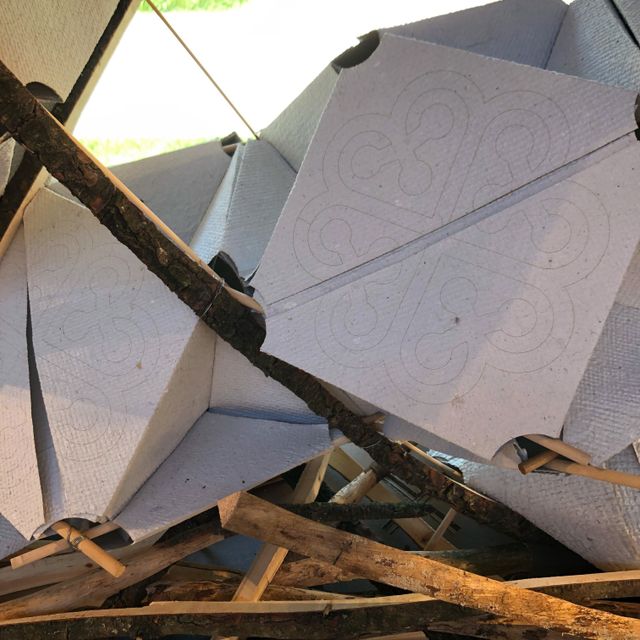
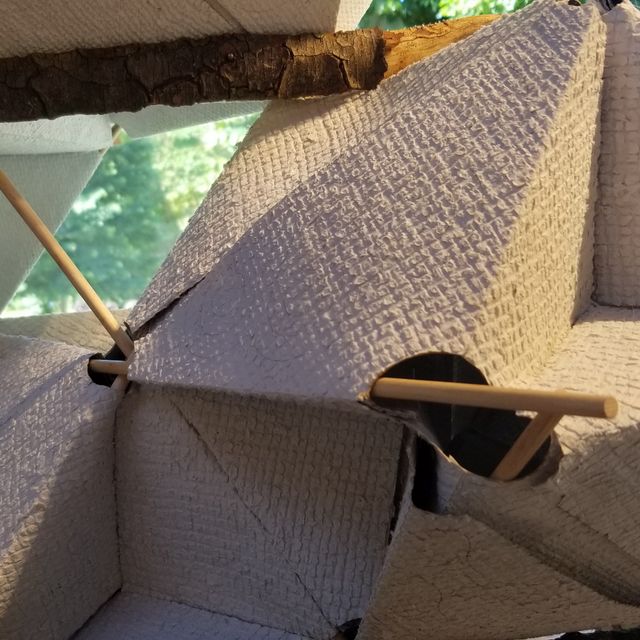
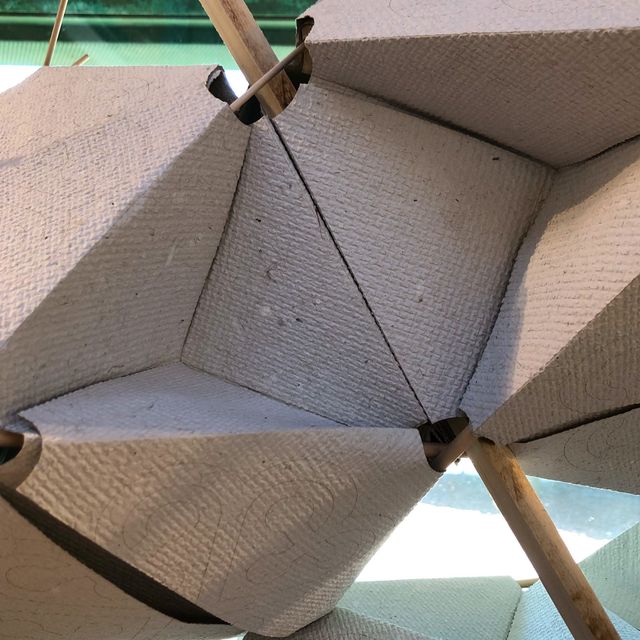
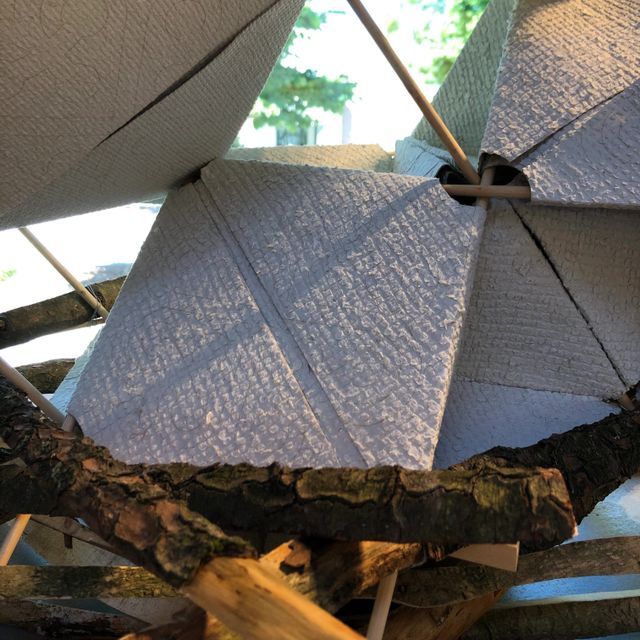
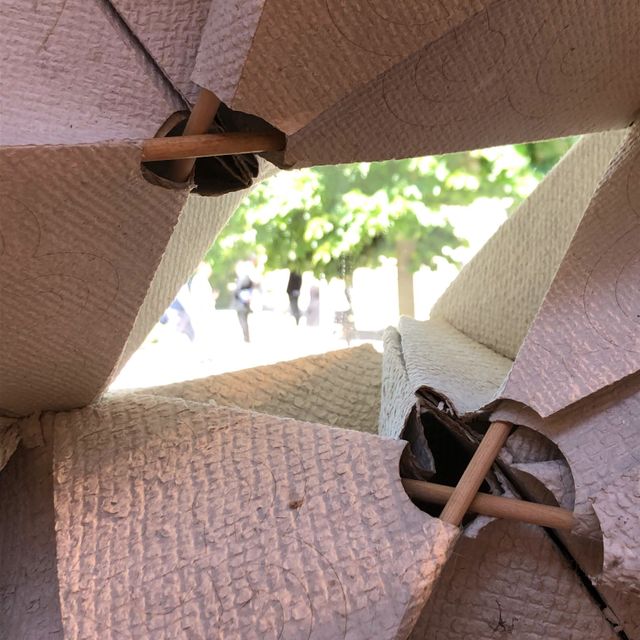
Modeling The models are made primarily from Carta Azzurra, a special handmade paper strongly associated with Renaissance Venice, favored for preparatory drawings by artists and valued in publishing for unifying text and technical illustrations within a coherent visual framework. With its blue hue derived from early modern rag textiles, the paper has historically brought elements of sky and water into pictorial compositions and tonalities. Just as Carta Azzurra itself exemplifies how material processes undergird what appears purely aesthetic, these models deliberately draw out the potential of the elemental interactions typically relegated to architecture’s edge. From the first fires that made earth inhabitable, to architectures built on the restless and hence incalculable surface of the ocean, such encounters open the possibility of architecture without property, dysregulated forms of domesticity, and deep reservoirs of counter-material intelligence. Furthermore, embracing the weathering, air currents, water staining, and humidity that are hallmarks of the Venetian Biennale, the models will be slowly shaped by their own environs, as they dwell amid the elements.